
Artificial grass driveways are a creative and low-maintenance alternative to traditional paved or gravel driveways. They can provide a green and visually appealing entrance to your home while offering several benefits:
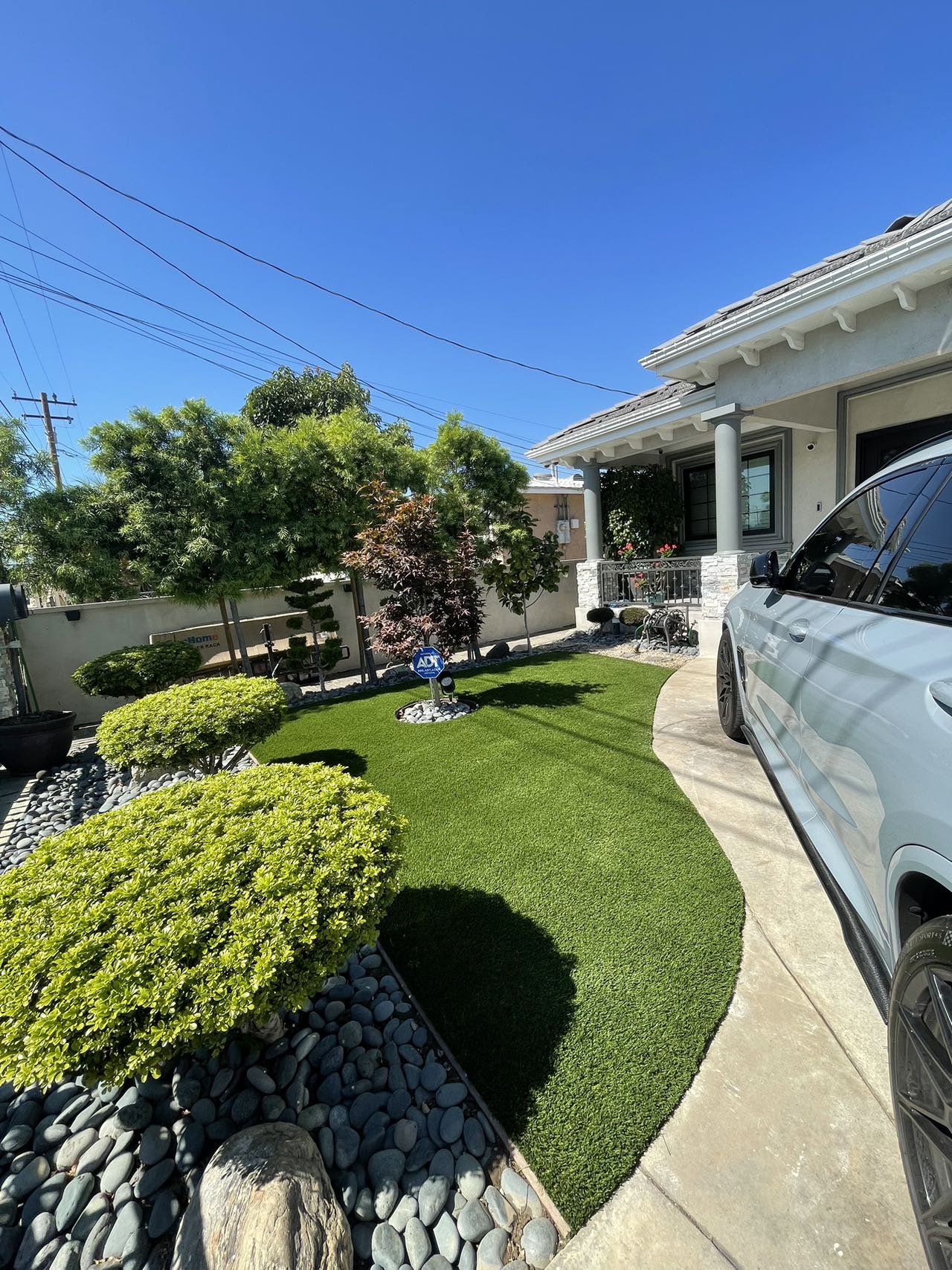
Low Maintenance: Artificial grass requires minimal upkeep compared to natural grass. There is no need for mowing, watering, fertilizing, or weeding.
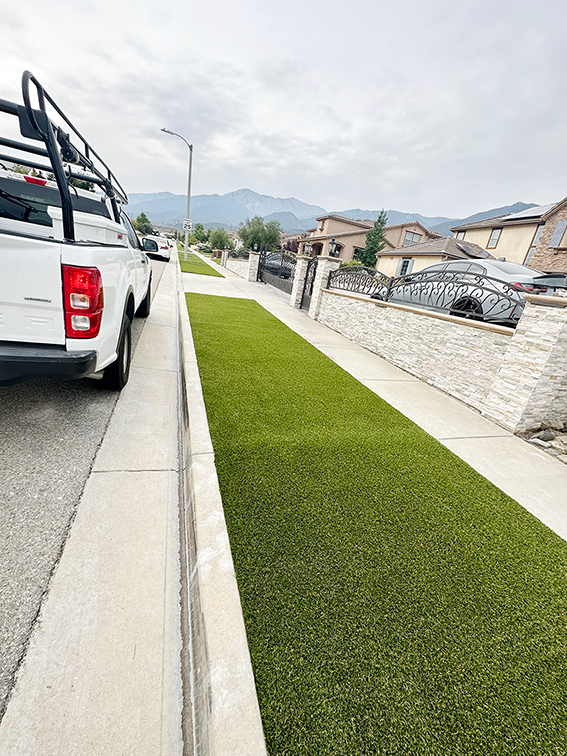
Durability: Artificial grass is designed to withstand heavy foot and vehicle traffic, making it suitable for driveways.

Green Appearance: It provides a lush and green look year-round without the need for regular maintenance or worrying about droughts affecting the grass.
Drainage: Modern artificial grass systems are designed with efficient drainage capabilities, ensuring water does not pool on the surface and drains properly.
Cleanliness: Artificial grass helps keep your driveway clean as it reduces the tracking of dirt, mud, and debris into your home.
Customization: You can choose from a variety of artificial grass options to suit your style and preferences. Different shades of green and blade lengths are available.
Here's a general process for installing an artificial grass driveway:
Site Preparation:
a. Clear the existing surface, removing any plants, debris, or rocks.
b. Level the area and ensure proper drainage.
Base Installation:
a. Install a base layer of crushed stone or aggregate to create a stable foundation.
b. Compact the base layer to ensure it is level and firm.
Weed Barrier:
a. Lay a weed barrier fabric to prevent weed growth through the artificial grass.
Artificial Grass Installation:
a. Roll out the artificial grass over the prepared area.
b. Trim the edges and shape the grass to fit the driveway space.
c. Secure the edges with landscape staples or adhesive.
Infill Installation:
a. Spread and evenly distribute an appropriate amount of infill material (usually silica sand or rubber) over the artificial grass to provide stability and support.
Brush and Compact:
a. Brush the grass fibers to stand upright for a natural look.
b. Use a compactor to ensure even compression of the infill.
Remember to follow the specific manufacturer's instructions for the artificial grass you choose, as installation methods may vary slightly based on the product. Additionally, consider hiring a professional if you're unsure about the installation process to ensure a proper and long-lasting result.